
Craig the Elephant (1972–2026): The Life, Legacy, and Conservation Story of Amboseli’s Greatest Super Tusker
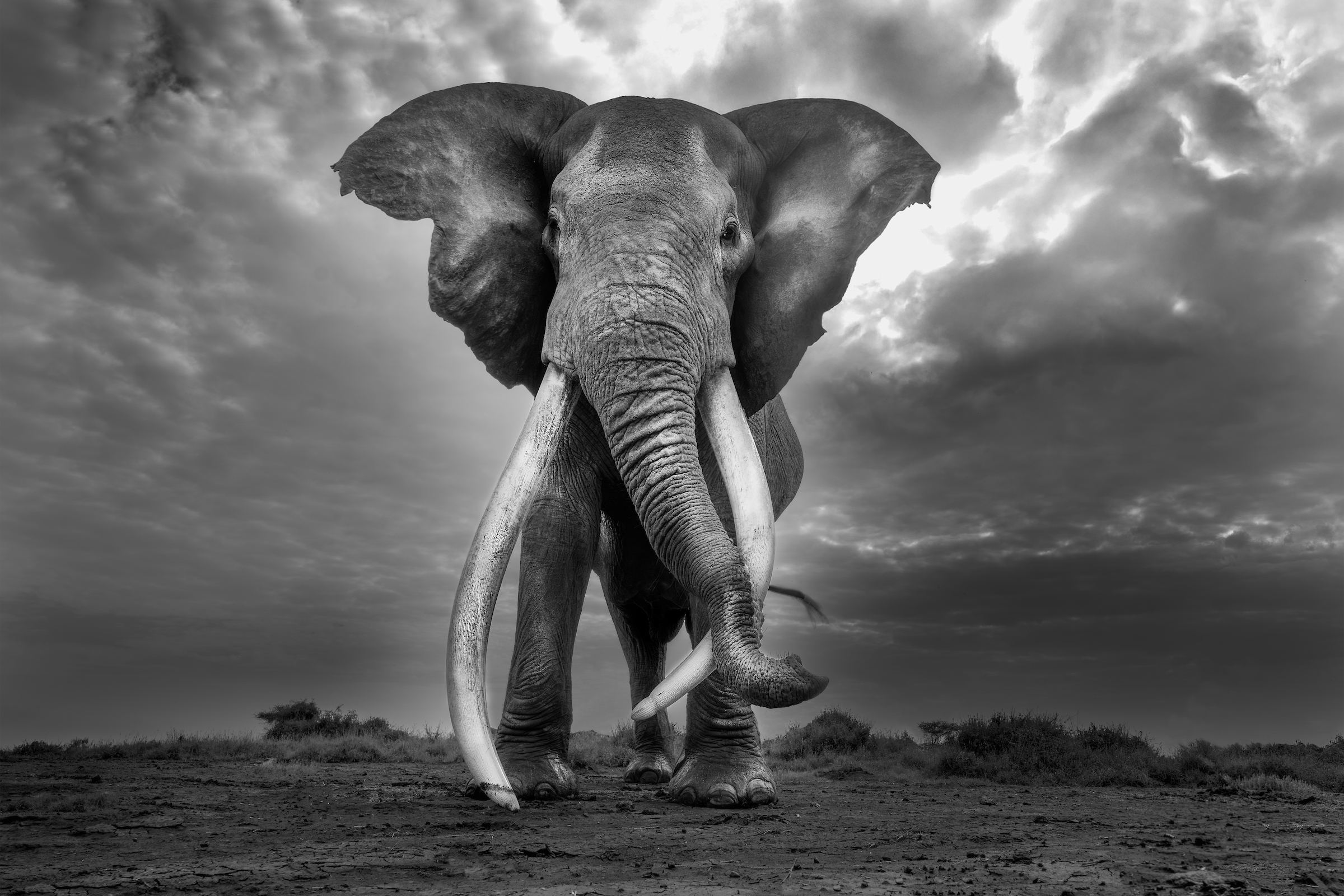
On the morning of 3 January 2026, Kenya lost one of its most powerful living symbols of wilderness. Craig, the legendary super tusker of Amboseli National Park, passed away peacefully at the age of 54. His death marked the end of an era—not only for Amboseli, but for elephant conservation across Africa.
For more than five decades, Craig moved slowly and deliberately across the open plains beneath Mount Kilimanjaro, his immense tusks sweeping close to the ground. To see him was to witness a living connection to a time when giants still roamed Africa without fear. He was not simply an elephant; he was proof that conservation, when done right, works.
Few wild animals are known by name. Fewer still are mourned across continents. Craig was both.
Who Was Craig the Elephant of Amboseli?
Craig was one of the last remaining true super tuskers in Africa, a term reserved for bull elephants whose tusks each weigh more than 45 kilograms (100 pounds). Born in January 1972, Craig belonged to the well-documented CB elephant family of Amboseli. His mother, Cassandra, was a respected matriarch whose leadership and calm authority shaped the family’s movements across the ecosystem.
From a young age, Craig stood out. His tusks grew longer, thicker, and heavier than most, early signs of rare genetics that would one day place him among Africa’s giants. Yet even as his size became unmistakable, it was his temperament that truly defined him. Craig was remarkably calm, unhurried, and tolerant—traits that would earn him admiration from rangers, researchers, photographers, and safari guests alike.
Amboseli: The Landscape That Raised a Giant
Amboseli National Park lies in the rain shadow of Mount Kilimanjaro, a landscape shaped by extremes. Dusty plains stretch toward the horizon, interrupted by permanent green swamps fed by underground meltwater from the mountain. It is a land where elephants must learn resilience early—where water, movement, and coexistence with people determine survival.
Craig grew up navigating these rhythms. As a young bull, he joined bachelor groups and ranged widely, moving between protected areas and Maasai community lands. Over time, his presence became familiar not just to wildlife authorities but to local communities who shared space with him. That coexistence—rare and fragile—became one of the defining reasons Craig survived as long as he did.
Surviving Kenya’s Darkest Years for Elephants
Craig’s early life unfolded during the most devastating period for elephants in Kenya’s history. During the 1970s and 1980s, rampant ivory poaching reduced the country’s elephant population from over 160,000 to fewer than 20,000. Across Africa, large-tusked bulls were systematically targeted, their genetics erased in a matter of decades.
Elephants like Craig were not meant to survive this era.
That he did is not coincidence. It is the result of sustained protection, growing awareness, and communities choosing conservation over destruction. Craig became a living witness to Kenya’s transition from crisis to cautious recovery.
What Made Craig a True Super Tusker
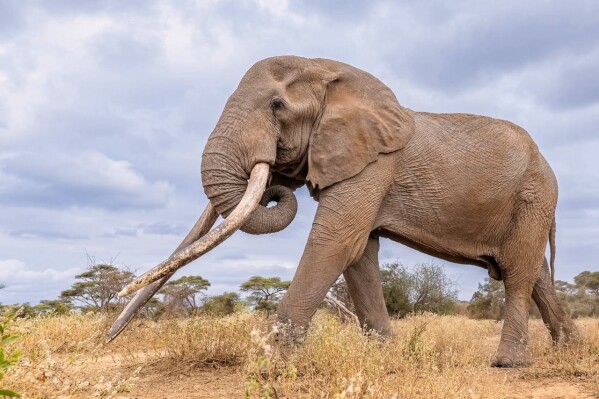
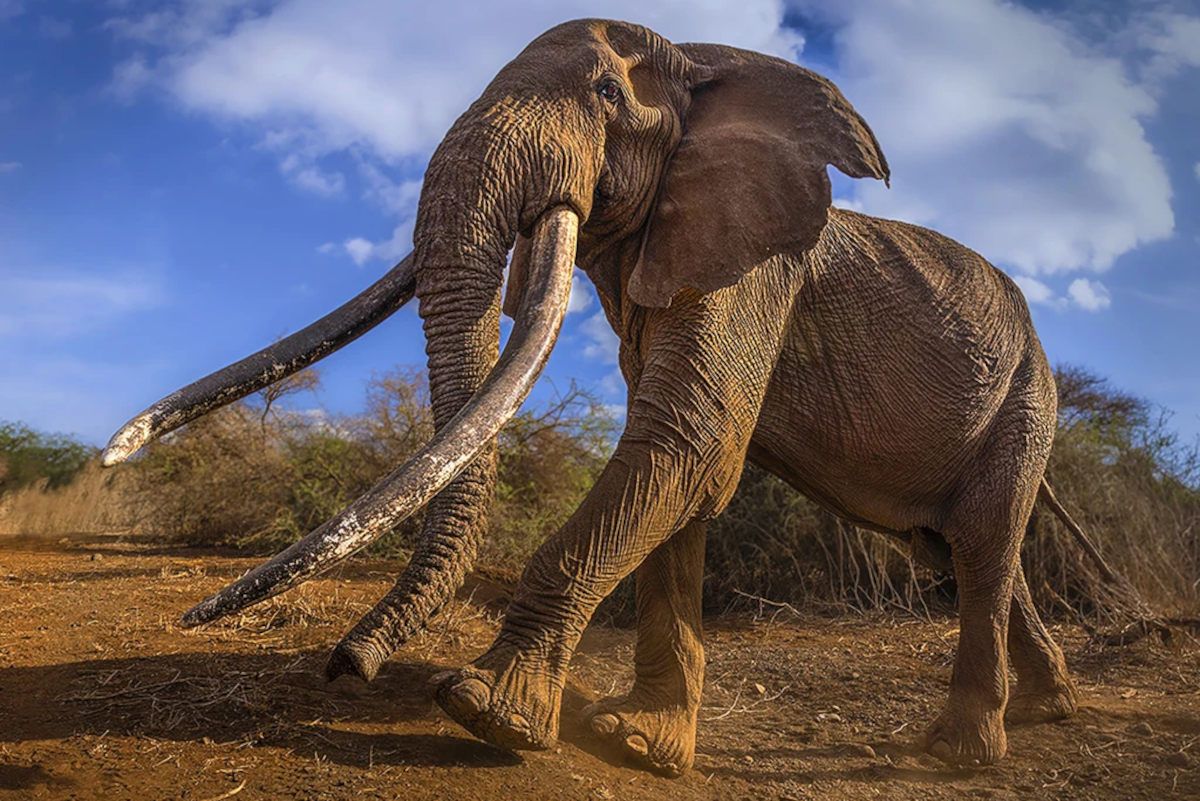
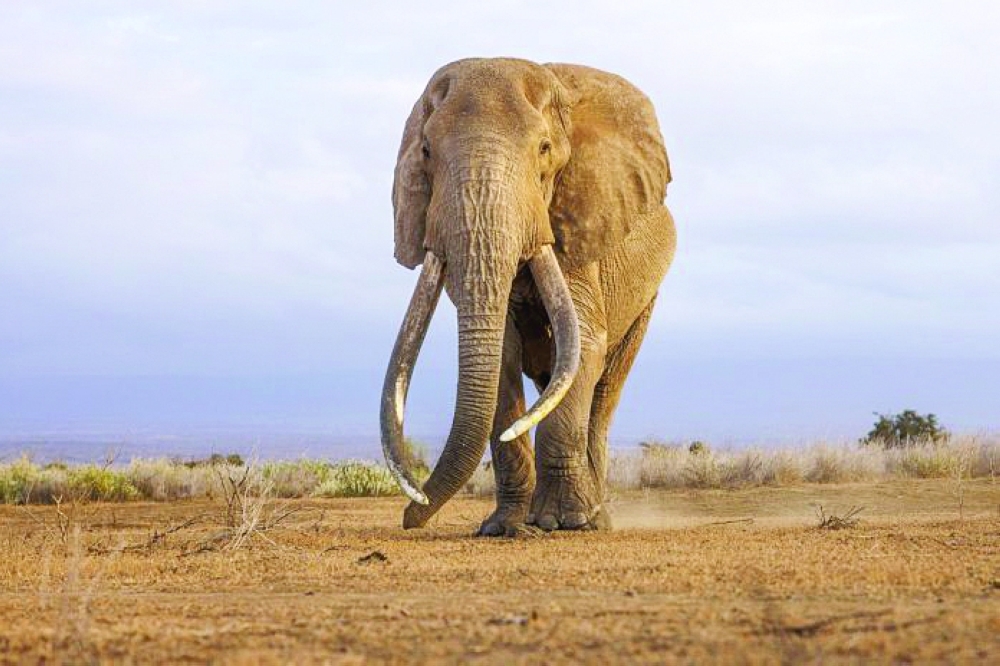
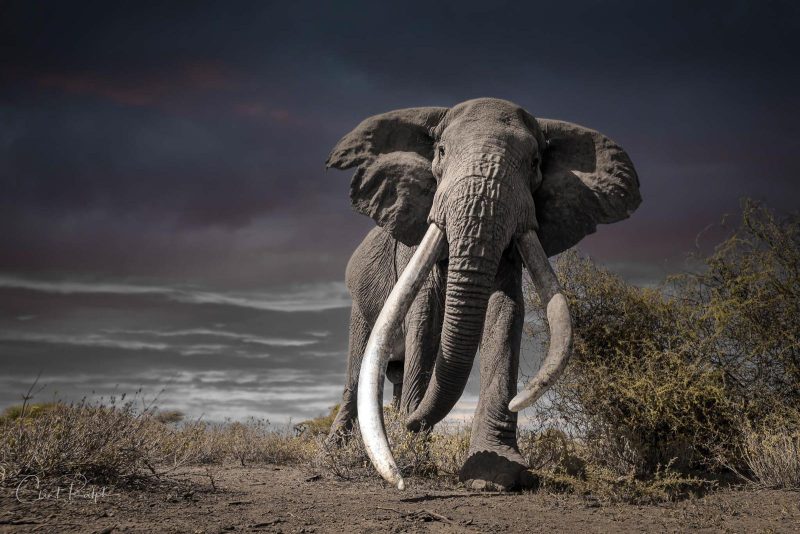
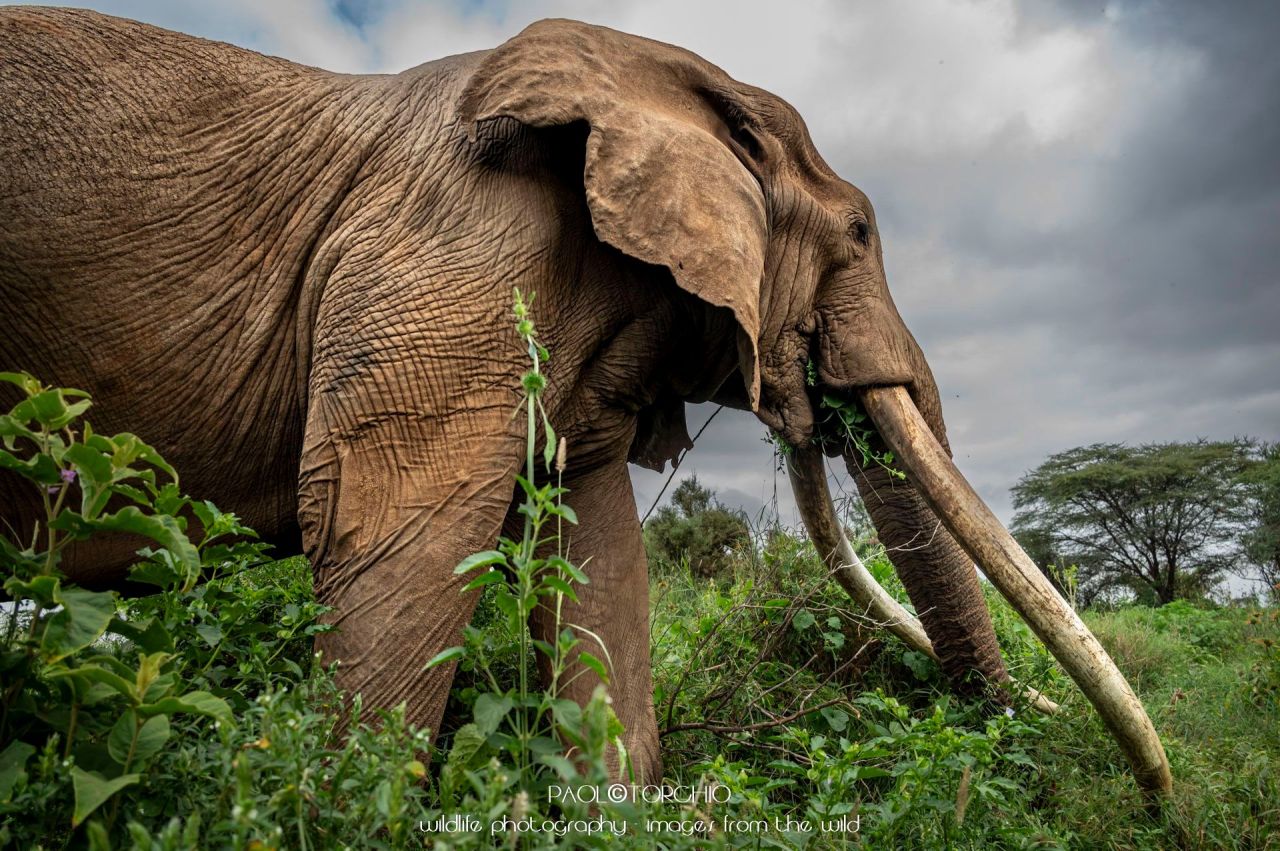
At full maturity, Craig stood over 10 feet tall at the shoulder and weighed close to seven tonnes. His tusks were among the largest carried by any living elephant, curving outward and downward in near-perfect symmetry. They were so long that they almost brushed the earth as he walked, giving him a silhouette that was instantly recognisable even from a distance.
In today’s Africa, where fewer than 25 true super tuskers are believed to remain, Craig represented a genetic lineage that is disappearing. His survival into old age preserved something irreplaceable—a reminder of what elephants once were, and what they can still be if protected.
The Gentle Giant of Amboseli
Despite his immense size, Craig was known for his gentleness. Guides referred to him as a “gentleman,” an elephant who tolerated vehicles and cameras with remarkable patience. Younger bulls often lingered near him, following his routes through Amboseli and into surrounding community lands, learning pathways that had sustained elephants for generations.
Craig rarely needed to assert dominance. His presence alone commanded respect. To stand near him was to feel a quiet authority, a sense that the landscape itself acknowledged him.
Born Into Legacy: Craig’s Early Life in Amboseli
Craig was born in January 1972 into the well-documented CB elephant family of Amboseli, one of the park’s most prominent and closely studied lineages. He entered the world alongside his twin sister, an exceptionally rare occurrence among elephants and one that immediately set his birth apart. Their mother, the matriarch Cassandra, was known for her strong leadership and deep family bonds, qualities that shaped both calves in their earliest years. Growing up beneath the shadow of Mount Kilimanjaro, Craig and his sister learned the rhythms of Amboseli together—how to navigate seasonal droughts, where to find water in times of scarcity, and how to coexist peacefully with the surrounding Maasai community lands. From a young age, Craig’s tusks showed unusual promise, growing longer and heavier than most, early signs of the rare genetics that would one day classify him as a true super tusker.
Decades of Protection That Made His Life Possible
Craig’s long life was the result of coordinated conservation efforts spanning decades. Kenya Wildlife Service rangers monitored and protected him, while long-term research by the Amboseli Trust for Elephants ensured he was continuously studied and understood. Anti-poaching operations led by organisations such as Big Life Foundation, combined with strong cooperation from Maasai communities on Olgulului land, created a protective network that allowed Craig to live freely.
After Kenya’s historic 1989 ivory ban, protection intensified. Community scouts, aerial surveillance, and intelligence-led patrols ensured that even as pressures increased, Craig remained safe. His symbolic adoption by Tusker Lager further elevated him to national icon status, reinforcing the message that conservation is a shared responsibility.
A Global Icon of Conservation Success
By the 2010s, Craig had become one of the most photographed elephants in Africa. Images of him standing beneath Mount Kilimanjaro spread across documentaries, conservation campaigns, and social media platforms worldwide. For many visitors, seeing Craig was the defining moment of their Kenyan safari—a sight that lingered long after the journey ended.
To local Maasai communities, Craig was more than famous. He was part of the land’s story, a reminder that coexistence between people and wildlife is not only possible, but necessary.
Craig’s Final Days
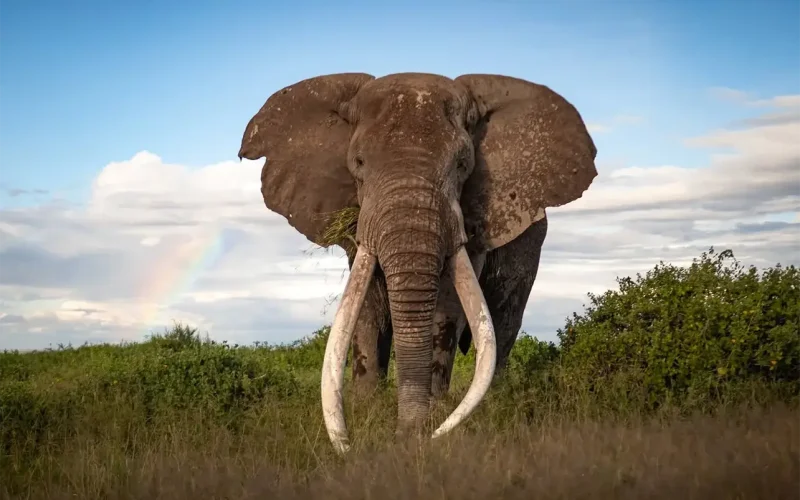
In late 2025, signs of age began to show. Like all elephants, Craig went through six sets of molars during his lifetime, and as his final set wore down, digestion became increasingly difficult. Rangers noticed poorly chewed vegetation in his dung and periods of weakness, clear indicators of an elephant nearing the end of a long life.
On 2 January 2026, Craig collapsed several times on community land near Amboseli. Rangers stayed with him through the night, monitoring his condition and ensuring his safety. In the early hours of 3 January, Craig lay down for the final time. Kenya Wildlife Service later confirmed that he died of natural causes, consistent with age-related molar wear.
For an elephant of his stature, this was a rare and dignified ending.
Why Craig’s Life and Death Matter
Craig’s death resonated far beyond Kenya because it represented something increasingly uncommon: a large-tusked elephant who lived long enough to die naturally. Across Africa, elephant populations have fallen from an estimated 1.3 million in 1979 to around 400,000 today, with habitat loss now rivaling poaching as the greatest threat.
Yet Kenya’s elephant numbers have shown cautious recovery, rising from 36,280 in 2021 to over 42,000 in recent years. Craig became the living symbol of that progress—a reminder that when governments, communities, and conservation organisations work together, success is possible.
The Legacy Craig Leaves Behind
Craig fathered many calves, ensuring that his rare genetics and calm temperament live on in Amboseli’s herds. His legacy is written not only in bloodlines, but in conservation models that work, in community scouts protecting wildlife, and in visitors who leave Amboseli with a deeper understanding of what is at stake.
Craig proved that giants can still walk free.
Walking in Craig’s Footsteps Today
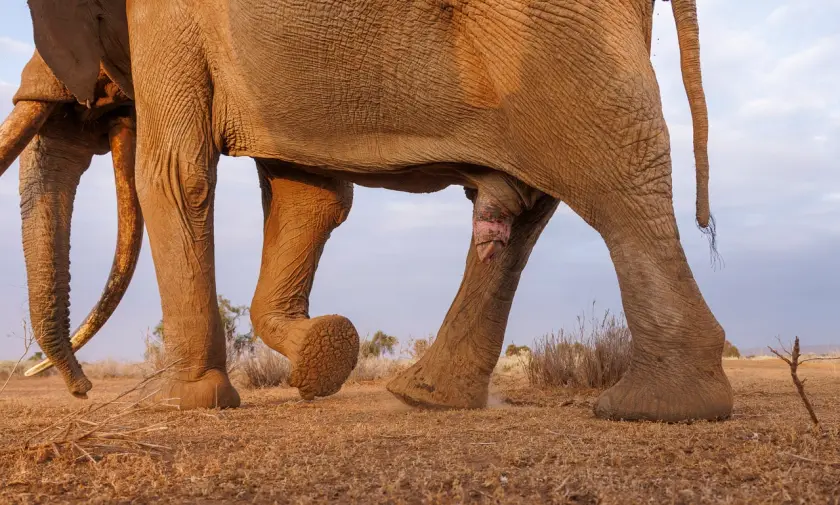
Amboseli remains one of Kenya’s most powerful safari destinations. The elephants still roam freely. The swamps still glow green beneath Kilimanjaro. And if you stand quietly long enough, you may feel the presence of those who came before.
When guests travel with SafariPin, conversations often drift south—from the Masai Mara to Amboseli, from herds to history, and inevitably, to Craig. Standing there, you understand why he mattered.
A Final Goodbye to a Giant
Craig did not die young.
He did not die hunted.
He died whole—protected, respected, and remembered.
In a world where giants are disappearing, Craig’s life stands as proof that conservation can succeed.
And that may be his greatest legacy of all.